
Instant emergency pet insurance: what can help right now?
If your pet needs urgent care, separate the treatment decision from buying protection for future events.
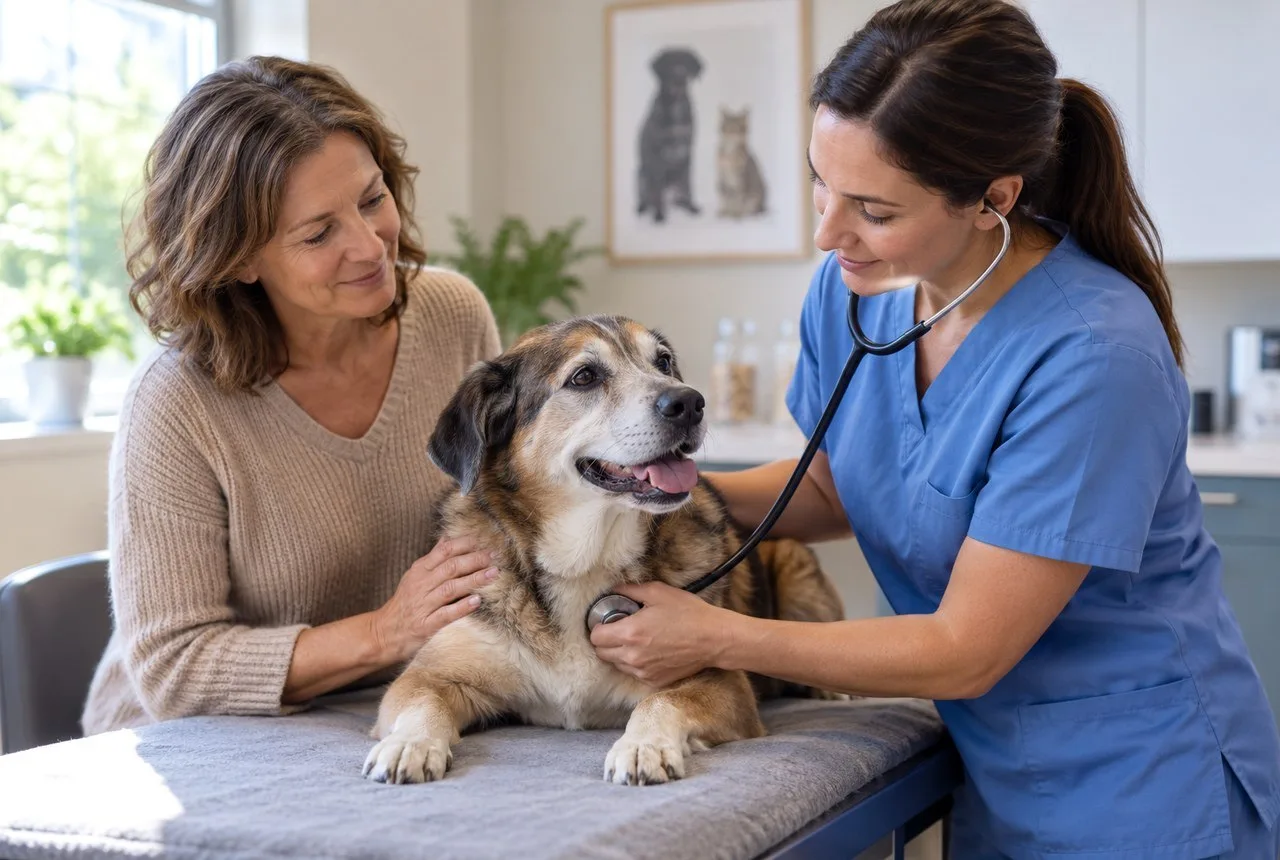
If the emergency is happening now
The American Veterinary Medical Association advises contacting a veterinarian or local veterinary emergency hospital in an emergency. First aid is not a substitute for veterinary care. Tell the clinical team what happened and follow its guidance; do not spend the treatment window shopping for a new policy.
Ask the hospital what assessment or stabilization it recommends, what payment is required and who can discuss costs with you. If possible, another household member can locate existing policy information while you focus on the pet. This page cannot determine whether a symptom is an emergency or prescribe treatment.
If you have no insurance, say so directly. Ask whether the practice has any payment arrangements or knows of assistance resources for which you might qualify. Availability, eligibility and timing are uncertain; do not assume help will be approved before care is needed.
Four promises that sound similar but are not
| What a site may describe | What it actually tells you | What it does not establish |
|---|---|---|
| Instant quote or enrollment | How quickly you can apply or receive an offer | That the current event is insured |
| No waiting period for a category | A stated delay may not apply after the policy is effective | That the policy is already effective or covers earlier events |
| Immediate advice access | An advice service may be available | Payment for emergency hospital treatment |
| Fast claim payment | Some eligible claims may be processed quickly | Approval of your claim, or no need to pay a clinic deposit |
The start date, any category-specific waiting rule and the pre-existing-condition definition are separate checks. Even when an accident waiting period is absent, an event before the policy starts does not become a future event. A new purchase cannot be treated as retroactive simply because the application takes minutes.
If you already have a policy, assemble the actual timeline
- Find the issued policy and the pet’s original effective date, plus any waiting rules relevant to the event.
- Record when the injury occurred or signs first appeared, accurately and without moving dates to fit a policy.
- Locate the policy number, claim instructions, veterinary history and any prior related diagnoses.
- Ask whether the hospital can use an existing direct-payment arrangement and what you must pay regardless.
- Submit the invoice and requested records through the insurer’s process when you are able.
The diagnosis date may be later than the first symptoms. A claim review can consider the medical history, so a diagnosis made after a waiting period is not by itself proof of eligibility. Keep factual notes of the timeline and ask the insurer to explain any disputed interpretation.
An existing policy may help with an eligible emergency; this page cannot adjudicate it. If your insurer needs more information, find out exactly which records are missing rather than assuming the claim was denied.

Ask about treatment and payment in separate questions
Treatment question
What does the veterinary team recommend now, and what changes would require immediate reassessment? Only the clinical team can direct care.
Payment question
What amount is due now, and is there a documented alternative if you cannot pay that amount?
Insurance question
Which policy terms govern this event, and is any advance review available? An estimate or review is not necessarily a final payment decision.
Administrative question
Who will provide the itemized invoice and records, and who should you contact if the insurer needs more information?
Any financing offer is a separate financial commitment. Read its costs and repayment terms before accepting it, and do not assume a later insurance payment will arrive in time to repay borrowing. No financing provider or assistance program is promised here.
After the immediate problem, plan for the next one
When the urgent situation is under control, review future coverage on its own merits. Ask how this event will be treated as medical history, what unrelated conditions may qualify, and whether emergency and specialist visits follow the same reimbursement rules as other eligible treatment.
An accident-only product can leave illnesses outside its scope, including illnesses that require urgent care. The word “emergency” describes how quickly care is needed, not whether the cause is an accident or an illness. Keep an accessible reserve for your deductible, excluded costs and the time before a reimbursement arrives.
Sources and policy context
Public sources support the consumer and veterinary context. Named product details were checked against official provider materials; the policy or agreement offered to you determines the actual benefits and obligations.
Compare Current Pet Insurance Rates
Check current options for your pet and location, then compare the policy details, exclusions, costs, and eligibility before choosing.